Selecting a uniform supplier is an important business decision that can directly impact employee satisfaction, brand image, operational efficiency, and overall organisational performance.
Many organisations focus primarily on price when evaluating suppliers. While cost is certainly important, it should never be the only factor considered. A reliable supplier should be capable of delivering consistent quality, maintaining production standards, and supporting your organisation’s long-term needs.
Here are ten key factors every organisation should consider when choosing a uniform manufacturing partner.
1. Manufacturing Experience
Experience matters in garment production.
An established manufacturer understands fabric behaviour, production processes, quality control procedures, and industry-specific requirements. Experienced suppliers are better equipped to handle challenges and consistently deliver quality products.
Look for a supplier with a proven track record serving organisations similar to yours.
2. Product Quality
Uniforms represent your organisation daily.
Poorly constructed garments can quickly damage your professional image and increase replacement costs. Evaluate fabric quality, stitching standards, durability, colour consistency, and overall finishing.
Request samples whenever possible before committing to large production orders.
3. Production Capacity
Your supplier should be capable of meeting your current and future requirements.
Whether you need uniforms for 50 employees or 5,000 employees, the manufacturer should possess the infrastructure, workforce, and production systems necessary to deliver efficiently.
Scalable production capabilities are particularly important for growing organisations.
4. Customisation Options
Every organisation has unique branding requirements.
Choose a supplier capable of providing:
-
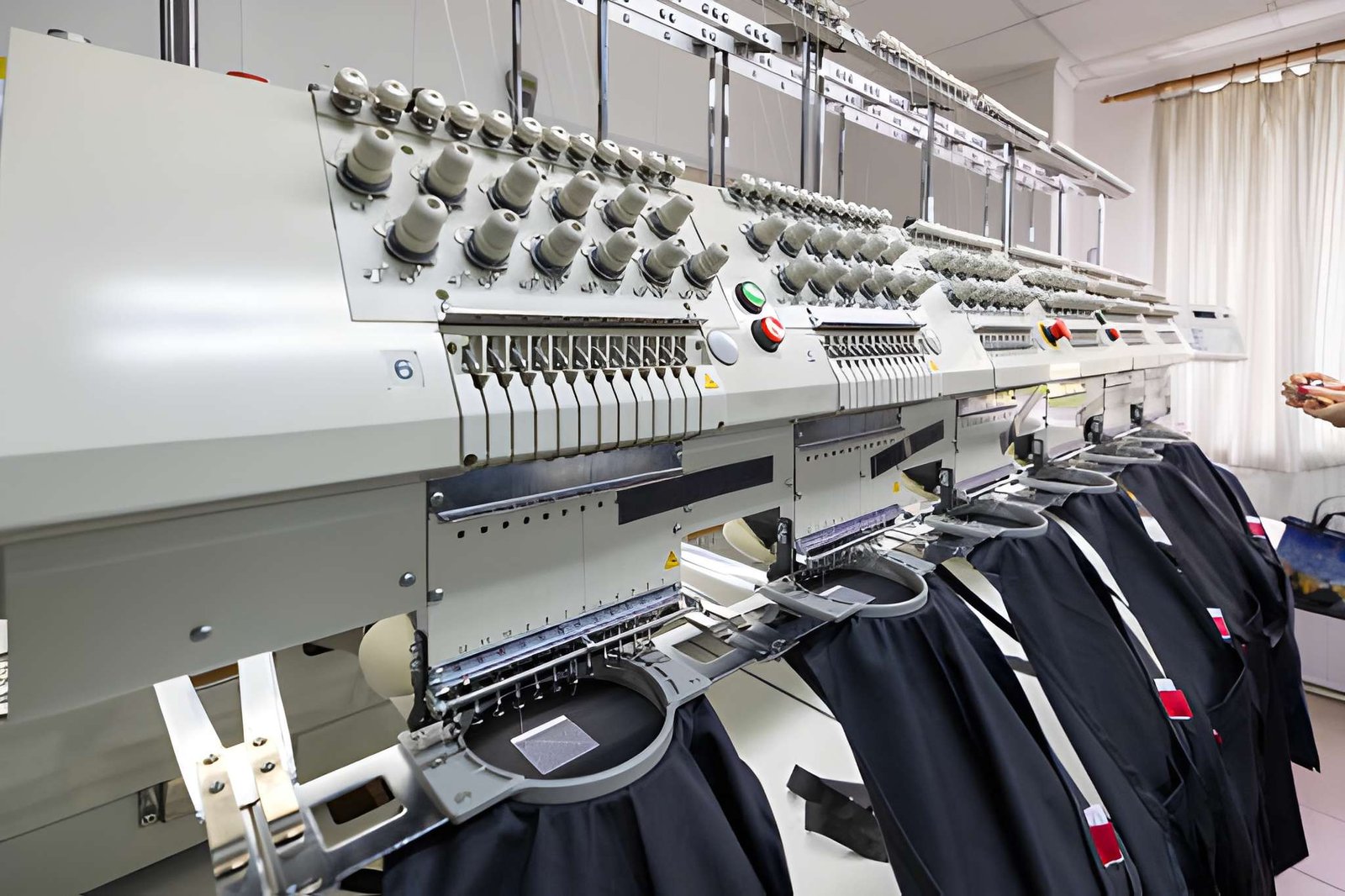
Logo embroidery
-
Corporate colours
-
Custom labels
-
Name personalisation
-
Special garment specifications
Customisation ensures your uniforms accurately reflect your brand identity.
5. Quality Control Systems
Reliable manufacturers implement structured quality control procedures throughout production.
Effective quality checks help identify issues before garments reach clients, reducing defects and maintaining consistency across large orders.
Ask suppliers about their quality assurance processes.
6. Industry Expertise
Different industries require different uniform solutions.
Healthcare uniforms, industrial workwear, hospitality attire, and corporate apparel each have unique requirements.
Working with a supplier familiar with your industry can improve garment functionality and performance.
7. Delivery Reliability
Meeting deadlines is critical.
Late deliveries can disrupt operations, onboarding programs, and organisational events.
Evaluate the supplier’s reputation for timely delivery and their ability to manage production schedules effectively.
8. Communication and Customer Service
Strong communication helps ensure successful projects.
Your supplier should provide regular updates, respond promptly to inquiries, and remain accessible throughout the production process.
A collaborative relationship often leads to better outcomes and fewer misunderstandings.
9. Pricing Transparency
Transparent pricing builds trust.
A reputable supplier should provide clear quotations that outline production costs, branding charges, delivery fees, and any additional services.
Avoid suppliers that provide vague pricing structures or unexpected charges.
10. Long-Term Partnership Potential
Uniform manufacturing is rarely a one-time purchase.
Most organisations require ongoing production, replacement garments, seasonal updates, and new employee onboarding support.
Selecting a supplier capable of supporting long-term growth can save significant time and resources in the future.
Benefits of Working with a Reliable Uniform Manufacturer
A dependable manufacturing partner can provide:
-
Consistent garment quality
-
Professional branding integration
-
Predictable delivery schedules
-
Scalable production
-
Reduced administrative burden
-
Improved employee satisfaction
These benefits contribute to smoother operations and stronger organisational performance.
Common Mistakes to Avoid
When selecting a supplier, avoid these common mistakes:
-
Choosing based solely on price
-
Ignoring quality standards
-
Failing to review samples
-
Overlooking production capacity
-
Neglecting delivery performance
-
Underestimating branding requirements
A thorough evaluation process can help prevent costly mistakes.
Conclusion
Choosing the right uniform supplier requires careful consideration of quality, experience, reliability, and service capabilities.
The right manufacturing partner can help your organisation maintain a professional image, improve employee presentation, and support long-term operational goals.
At Classic Premium Uniforms, we combine manufacturing expertise, quality control, scalable production, and professional branding services to deliver uniform solutions that meet the needs of organisations across multiple industries.
Contact us today to discuss your requirements and discover how we can support your organisation.
Hi, this is a comment.
To get started with moderating, editing, and deleting comments, please visit the Comments screen in the dashboard.
Commenter avatars come from Gravatar.